Property owner portal: the autonomy that strengthens trust

Permanent access to information, without waiting for a deadline
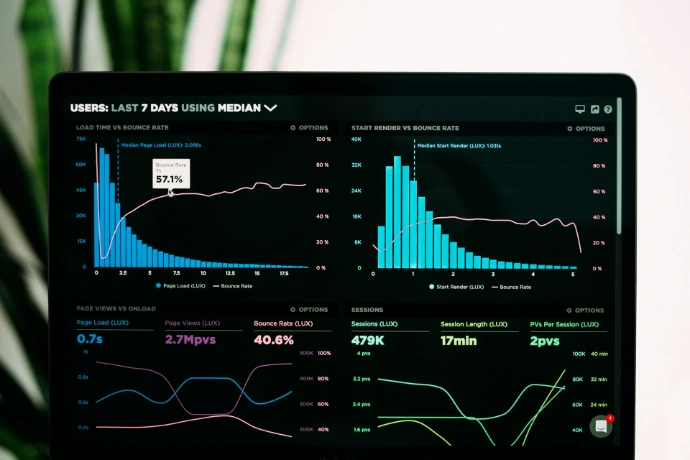
This autonomy relies on a precise architecture, where each property owner portal centralizes the relevant data for this specific profile, without exposing information that pertains to other parties such as tenants or suppliers. Here are the essential elements that a high-performing property owner portal must provide:
Periodic management reports, viewable and downloadable at any time
Tracking of received rents and any payment delays by lease
Key documents related to the property: lease, inventory, diagnostics, invoices
Tracking of technical requests and ongoing interventions on the property
History of communications exchanged with the manager
Data confidentiality, a central issue in co-ownership
A channel for exchange, not just a consultation space
For an agency or a professional manager, implementing a property owner portal also represents a significant organizational gain. Every recurring question that an owner can resolve themselves via the portal, without directly soliciting a colleague, reduces the workload of the management teams. This time saving becomes significant at the scale of a portfolio of several hundred mandates, where occasional requests from owners often represent a considerable part of daily administrative time.
Mobility, a satisfaction criterion that has become essential
Ask us for more information
Successfully adopting the owner portal over time
The real estate owner portal then becomes, over time, a commercial differentiation argument for the agency or manager offering it. In the face of competitors still attached to exchanges that are only by phone or mail, providing complete and secure digital access to the managed assets constitutes a strong signal of modernity and seriousness, particularly appreciated by a new generation of investor owners accustomed to digital transparency in all aspects of their financial lives.

Do you still have questions about the real estate owner portal?
Discover our answers:
An owner can generally view their periodic management reports, tracking of received rents, key documents related to their properties such as the lease or diagnostics, as well as the status of ongoing technical requests. The goal is to cover all the information they would spontaneously ask their manager for, without having to go through a direct exchange.
The level of accessible detail may vary according to the owner's preferences or the agency's policy, but the general principle remains maximum transparency regarding everything that directly concerns their property, without exposing sensitive information related to other owners or the tenants themselves.
Confidentiality relies on a fine management of access rights, where each owner only views data related to their own units, even within a building with several distinct owners. Common charges can be displayed in an aggregated manner without revealing the details of the individual accounts of other co-owners.
This rights architecture must be considered from the system's design stage, as poorly managed confidentiality can create significant tensions among owners of the same building, especially when common decisions need to be made regarding work or shared charges.
No, a landlord portal complements the human relationship rather than replacing it. It absorbs recurring and informational requests, such as consulting a document or tracking a payment, which frees up time for direct exchanges to focus on important decisions or situations that truly require dialogue.
This distribution actually improves the quality of direct exchanges: the manager is no longer solicited for questions that autonomous access could resolve, and can devote their attention to cases that require true expertise or decision-making.
Each technical request related to a property generates a ticket whose status is visible in real time in the owner portal: creation, assignment, scheduling of the intervention, and then closure. The owner can thus track progress without having to follow up with the manager for an update.
This transparency in technical tracking is particularly appreciated for costly or urgent interventions, where the owner wants to quickly understand the nature of the problem, the costs incurred, and the resolution timelines, without relying solely on sporadic updates provided by phone or email.
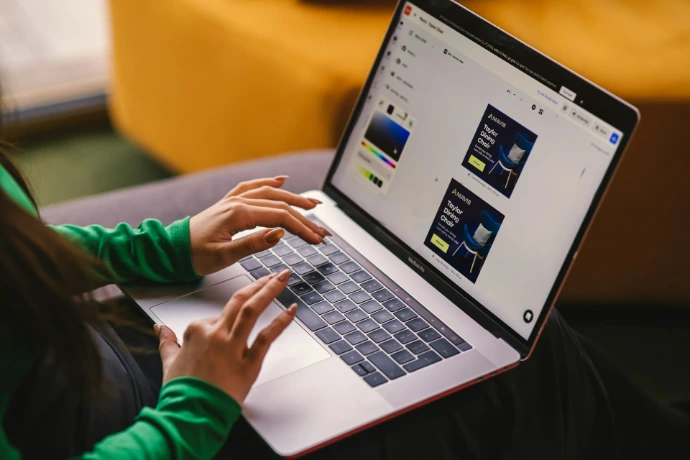
Yes, a modern real estate owner portal must be fully functional on mobile, with the same wealth of information as on a computer. More and more owners are checking their information outside of traditional office hours, often alongside a professional activity that leaves them with little available time during the day.
This mobile accessibility is becoming a selection criterion for owners who manage an asset alongside another activity, and who particularly value the ability to verify information in a few seconds, wherever they are.
The impact is direct and measurable: each question resolved autonomously by the owner through the portal is one less request for the management teams. On the scale of a portfolio of several hundred mandates, this cumulative reduction in the number of calls and emails represents a significant time gain for the employees.
This freed-up time can then be reinvested in higher value-added tasks, such as managing complex situations, building relationships with new owners, or continuously improving the agency's internal processes.
The owner portal serves as the permanent access point to the periodically generated management reports, whether they are monthly, quarterly, or annual. Rather than sending each report separately by email, the manager uploads it to the portal, where the owner can view it, download it, and easily find the complete history of their previous reports.
This continuity between automated report production and availability via the portal forms a coherent whole: the data remains the same, only the mode of presentation changes, which ensures total reliability between what the manager produces and what the owner actually consults.
Do you have any more questions?
Feel free to contact us to ask questions, request a demonstration, or for anything else.