Charge statements: distribute fairly, regularize quickly, reassure your tenants and owners

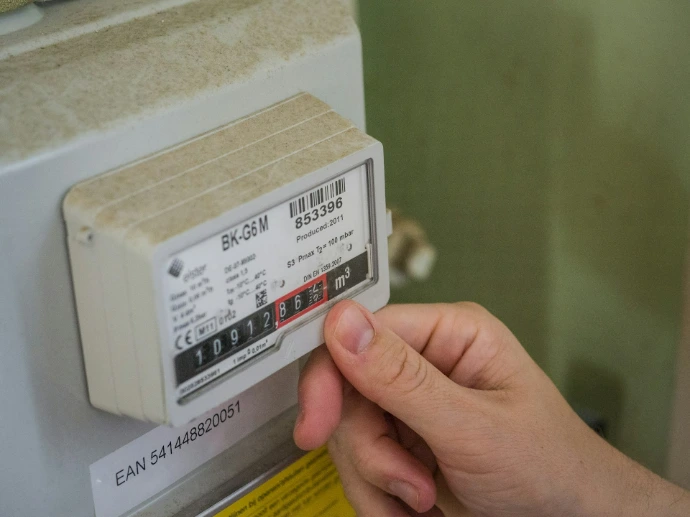
Understanding the logic of charge statements in a managed building
La difficulté ne se situe pas uniquement dans le calcul lui-même, mais dans la chaîne complète qui y mène : recevoir la facture fournisseur, l'imputer au bon immeuble, sélectionner la clé de répartition adéquate, ventiler le montant entre les baux concernés, puis produire un document lisible et justifiable pour chaque locataire et chaque propriétaire. Sans outil structuré, cette chaîne repose sur des fichiers Excel dispersés et sur la mémoire du gestionnaire, ce qui devient intenable au-delà d'un certain volume.
Receipt and automatic allocation of supplier invoices to the relevant building
Selection of the appropriate distribution key, defined once per building
Immediate allocation of the amount among the relevant active leases
Generation of the final statement by lease, with details of the charge items
Archiving and making the document available via the tenant portal
This last point concretely changes the relationship with the tenant. Rather than sending a document by email or mail, without easily accessible history, the tenant finds their charge statements directly in their personal space, with details of the amounts and their justification. This transparency significantly reduces the number of questions and disputes received by the manager, as the information is available even before it is requested.


The regularization between provisions and actual charges
Discover the administrative management module
The additional complexity of condominium charges
For an administrative manager on a daily basis, the value of an automated charge accounting system is not only measured in time savings. It is measured in risk reduction: fewer forgotten invoices, fewer allocation errors, fewer disputes with tenants who contest an amount they do not understand. It is also what allows the manager to handle a larger portfolio without degrading the quality of service provided to each owner and each tenant.

The impact on cash flow and the relationship with the principal owner
Ask us for more information
Managing the charge statements despite seasonality
A schedule of charge statements, with a clear status by lease and by building, concretely changes the organization of a management team. It allows for prioritizing overdue files, anticipating periods of high workload, and ensuring that each tenant and each owner receives their statement within a predictable timeframe, regardless of the total number of properties managed by the team.

Do you still have questions about the charge statements for property management?
Discover our answers:
This distinction is essential to explain to the tenant as soon as the lease is signed, as it clarifies why an amount may vary from one year to the next without the rent itself changing. A manager who clearly explains this mechanism and what the provisions will concretely cover generally receives fewer disputes during the adjustment.
Once defined for a building, this key applies to each charge allocated. The manager always retains the option to adjust a key on a case-by-case basis if a particular situation justifies it, for example, a charge that only concerns part of the tenants. It is common to see the manager create a specific key by type of charge per building (elevator maintenance, common area electricity, ...).
A system that automatically archives source invoices and the details of the calculation allows for a response in a few minutes to a request for justification, with supporting documents. This speed of response limits the escalation of the dispute and prevents a legitimate or illegitimate dispute from unnecessarily worsening.
For a manager overseeing several hundred leases, systematically adhering to these deadlines requires rigorous organization and, in practice, a tool capable of automatically signaling upcoming deadlines rather than relying on manual tracking item by item.
Digitalization involves the centralization of supplier invoices, the automation of allocation according to the shares of co-ownership, and then according to the relevant leases when the units are rented. This double allocation, co-ownership then rental, must remain consistent to avoid discrepancies between the accounts of the syndic and those of the property manager.
A tool that manages these two levels in a single database avoids manual reconciliations between two distinct systems. This becomes particularly useful for structures that combine property management and co-ownership within the same portfolio of buildings.
This approach combines the best of both worlds: the speed and reliability of automated calculation, with the necessary human vigilance before a financial document is sent to a tenant or a property owner. It is this combination that truly reduces the error rate, more than automation alone.
Conversely, late, inconsistent, or repeatedly disputed statements by tenants ultimately erode this trust, even if property management as a whole is functioning correctly. Charge statements are therefore an often underestimated indicator of service quality, even though they are directly visible to all parties involved.
Do you have any more questions?
Feel free to contact us to ask questions, request a demonstration, or for anything else.