Managing rental properties: from simple leasing to overall optimization

The essential dual perspective: unit and building
The main challenge when managing a rental property lies in the need to maintain a constant dual perspective. On one side, each rented unit (apartment, commercial space, office) has its own life cycle: a tenant, a lease, indexations, specific technical interventions. On the other side, the building itself generates overall costs: block insurance, roof or elevator maintenance, cleaning of common areas, overall property tax.
Effective management of a rental building must therefore allow for smooth navigation between these two levels:
Unit Level: tracking individual rents, indexations, energy performance certificates, and the relationship with each tenant.
Building Level: tracking overall maintenance contracts, the structural condition of the building, and consolidated profitability.
The link between the two: the allocation key, which allows for the proper distribution of overall costs (common charges) to the different occupied units, in order to generate the rental charge statements.
Without a centralized tool, this dual reading often forces the manager to multiply files: a spreadsheet for individual tracking, another for overall expenses, which increases the risk of error, particularly during the annual calculation of charges.
Optimize profitability through a consolidated view
The primary objective of an investment property remains financial profitability (rental yield). However, accurately assessing this profitability becomes complex when the building includes units of different natures (for example, a commercial ground floor and residential apartments on the upper floors). Each unit presents a dynamic of rental vacancy, renovation costs, and distinct rent levels.
Effectively managing investment properties therefore involves being able to consolidate this data to obtain the net yield of the building as a whole, while retaining the ability to isolate the performance of a specific unit. It is this detailed analysis that allows the investor owner to make the right decisions: should this vacant apartment be renovated to increase its rental value, or does the overall profitability of the building allow for absorbing a small rent decrease to re-rent faster?
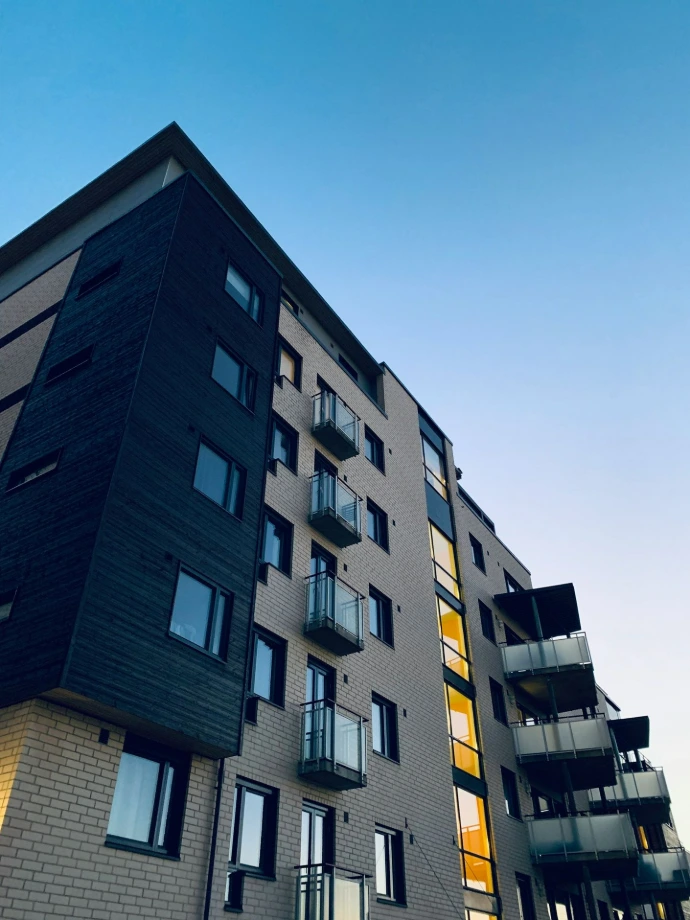
Charge management: the Achilles' heel of investment properties
If this distribution is not rigorously followed throughout the year, the annual statement becomes a real administrative headache. Managing rental properties with a structured tool allows for each overall bill to be allocated to the building upon receipt, and to be pre-allocated according to the defined distribution keys. The annual statement is then no longer a long manual calculation, but a simple validation of the data accumulated over the months.
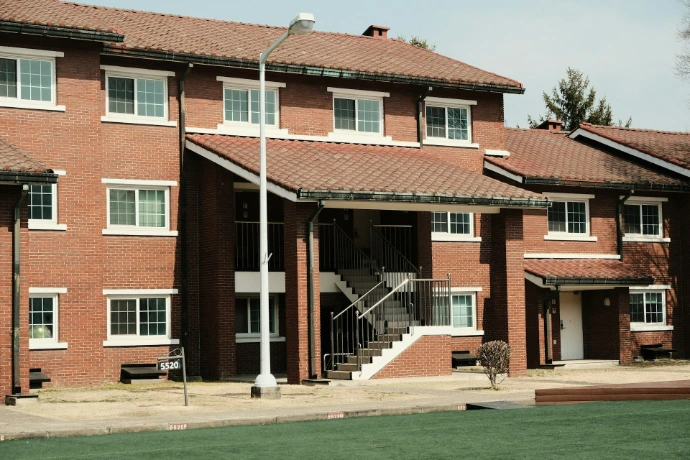
Anticipate maintenance to preserve the property value
Proactive management involves budgeting for these major interventions and tracking their depreciation. The technical history of the building, centralized in the same place as the financial data, allows for justifying to a future buyer or a bank the quality of maintenance and, ultimately, the valuation of the rental property in the market.
Request more information

Do you still have questions about managing income properties?
Discover our answers:
The main difference lies in the management of common spaces and costs. For a single apartment, the condominium fees are often managed by a property manager. In an income property owned in full ownership (one owner for the entire building), the owner or their manager takes on the role of distributing common charges (water, electricity for common areas, maintenance) to the various tenants. Additionally, profitability is analyzed at both the unit and overall building level.
A mixed-use income property requires precise analytical accounting. It is necessary to allocate rents and specific charges to each type of unit, as a business does not have the same cost structure or lease (and indexing) rules as an apartment. The overall profitability of the building must consolidate these two realities while allowing the manager to check if a specific unit is underperforming compared to the others.
The complexity arises from the fact that the owner pays the overall bills (for example, the water bill for the entire building if there is only one meter) and then has to re-bill the tenants. This requires applying distribution keys (by thousandths, by area, or by number of occupants) while taking into account any tenant changes during the year. Without management software that automates these prorated calculations, it is a source of frequent errors.
In addition to rental yield (gross and net), the essential indicators for a rental property include the overall occupancy rate of the building, the vacancy rate (how many months per year a unit remains empty on average), and the percentage of unpaid rents. Tracking the maintenance cost per square meter per year is also crucial to anticipate future expenses and prevent the property from losing its value.
It depends on the investor's financial and tax situation. Managing a rental property as an individual is common, but as the number of properties increases, transitioning to a company can be advantageous for tax optimization, deductibility of expenses (especially major renovation works), or asset transfer. A robust management software should also be able to handle multiple legal entities for the same owner.
A potential buyer will require to see the actual figures of the property before purchasing. Management software allows for the instant generation of a complete and transparent history: occupancy rate over 5 years, history of completed works, record of actual expenses, proven net yield. This transparency reassures the buyer and the bank, and often allows for defending a higher selling price than a property whose management was done "on a corner of the table."
Do you have any more questions?
Feel free to contact us to ask questions, request a demonstration, or for anything else.